
Acupuncture
A 2,500-year-old system of medicine with an expanding body of modern research behind it.
An Overview of AcupunctureAcupuncture is one of the oldest continually practiced medical systems in the world. Originating in China over 2,500 years ago, it is built on the principle that the body's vital energy — called qi (pronounced "chee") — flows along specific pathways called meridians. When that flow becomes blocked or imbalanced, the body signals the disruption through pain, illness, or dysfunction. Acupuncture uses hair-thin, sterile needles placed at precise points along these meridians to restore flow, remove blockages, and return the body to its natural state of balance.
The World Health Organization has formally recognized acupuncture as an effective treatment for over 30 conditions. In clinical practice, acupuncture is used across an even broader spectrum. Sources: World Health Organization | Mayo Clinic Community Health
❋ Pain and MusculoskeletalLow back pain, neck pain, shoulder pain, joint pain, sciatica, arthritis, sports injuries, post-surgical recovery, fibromyalgia, chronic pain
❋ NeurologicalMigraines, tension headaches, nerve pain, insomnia, anxiety, depression
❋ Women's Health & HormonalInfertility, IVF and IUI support, menstrual irregularity, PMS, PCOS, menopause, hot flashes, postpartum recovery
❋ DigestiveIrritable bowel syndrome, nausea, constipation, bloating, acid reflux
❋ RespiratoryAllergies, asthma, chronic sinusitis, respiratory infections
❋ SystematicFatigue, immune support, stress regulation, hormonal imbalance, high blood pressure
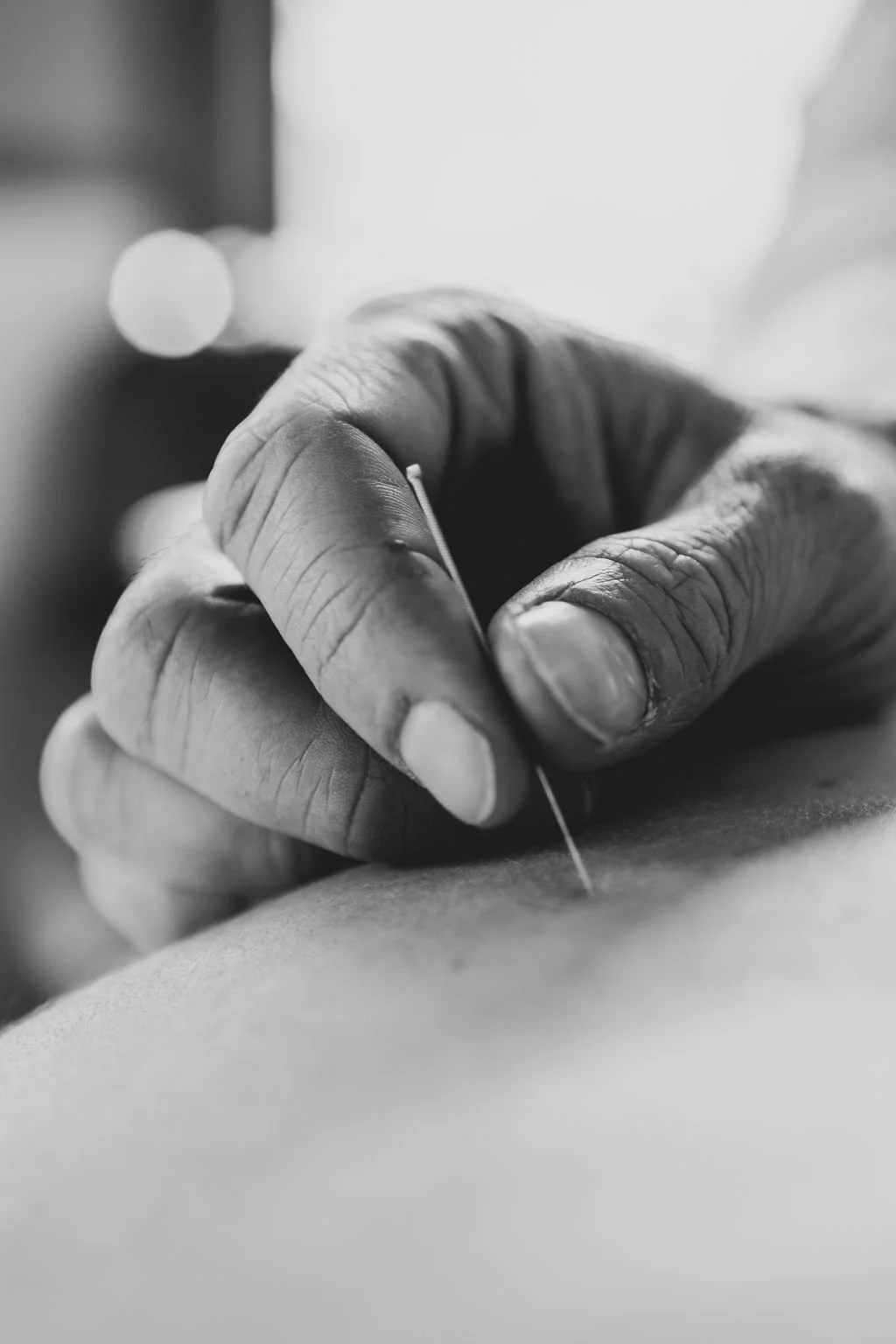
Modern science has started catching up to what practitioners have observed for generations. Research shows that acupuncture triggers the release of the body's natural painkillers, reduces systemic inflammation, increases local circulation, and supports regulation of the central nervous system. Both the Mayo Clinic and Johns Hopkins Medicine recognize acupuncture as a clinically useful approach to a wide range of conditions.
Sources: Mayo Clinic & John Hopkins Medicine
Acupuncture vs Dry Needling
Both acupuncture and dry needling use thin, filament needles and from the outside, they can look nearly identical. Both can be useful. But they are not the same in scope, training, or intention. Source: Medical News Today — Dry Needling vs. Acupuncture
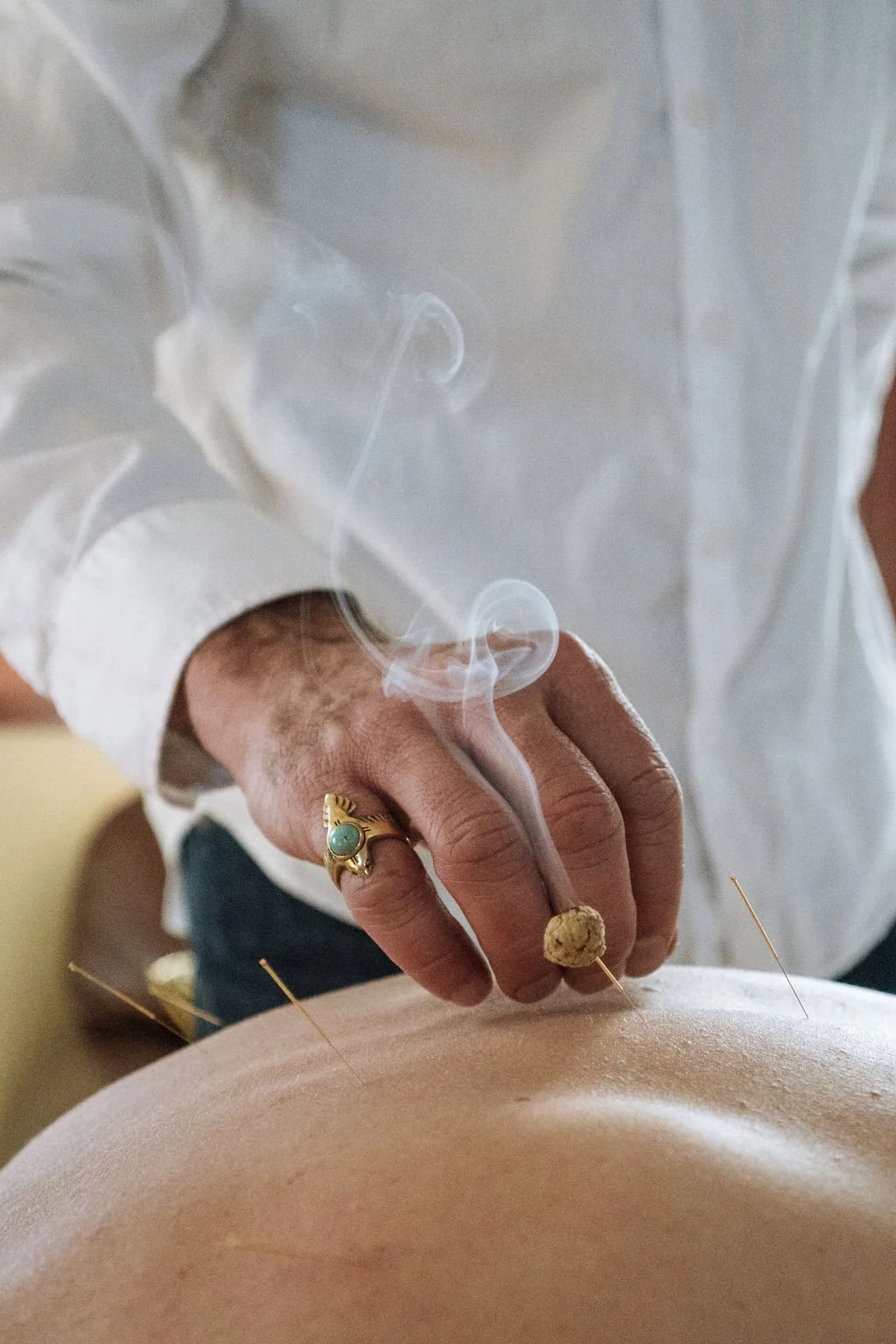
Acupuncture is a complete medical system rooted in over 2,500 years of East Asian medicine. It addresses the whole person — treating not just the site of pain but the underlying patterns that cause it. Licensed acupuncturists complete a master's degree program of 4 years, thousands of supervised clinical hours, and must pass national board certification before practicing. Acupuncture should always be a pain free treatment.
Dry needling is a newer technique, developed in the 1980s and based on Western anatomy and neurophysiology. It targets muscular trigger points specifically and is typically performed by physical therapists. Training requirements vary widely by state and it is illegal to practice in California, New York, and Oregon. Some practitioners complete as little as a weekend course before administering treatment.
Frequently Asked Questions-
No, acupuncture should never hurt if performed by a properly trained practitioner.
-
Guy does not take insurance directly but will provide a superbill receipt for the service. Once submitted back to your insurance, they usually cover 50–100% of the cost. Always check with your insurance first.
-
Every individual is different. The more chronic the condition, the more sessions an individual may need. Most issues are resolved in 3-5 sessions.
-
The patient should notice a 15–30% improvement in their condition. With that said, the benefits of each session build upon one another.
Plan to be in a relaxed atmosphere after each session allowing the body to rest and recalibrate. -
Plan for 60 minutes.